The Silent Threat You Cannot Afford to Ignore
Most people don't think about their liver — until something goes wrong.
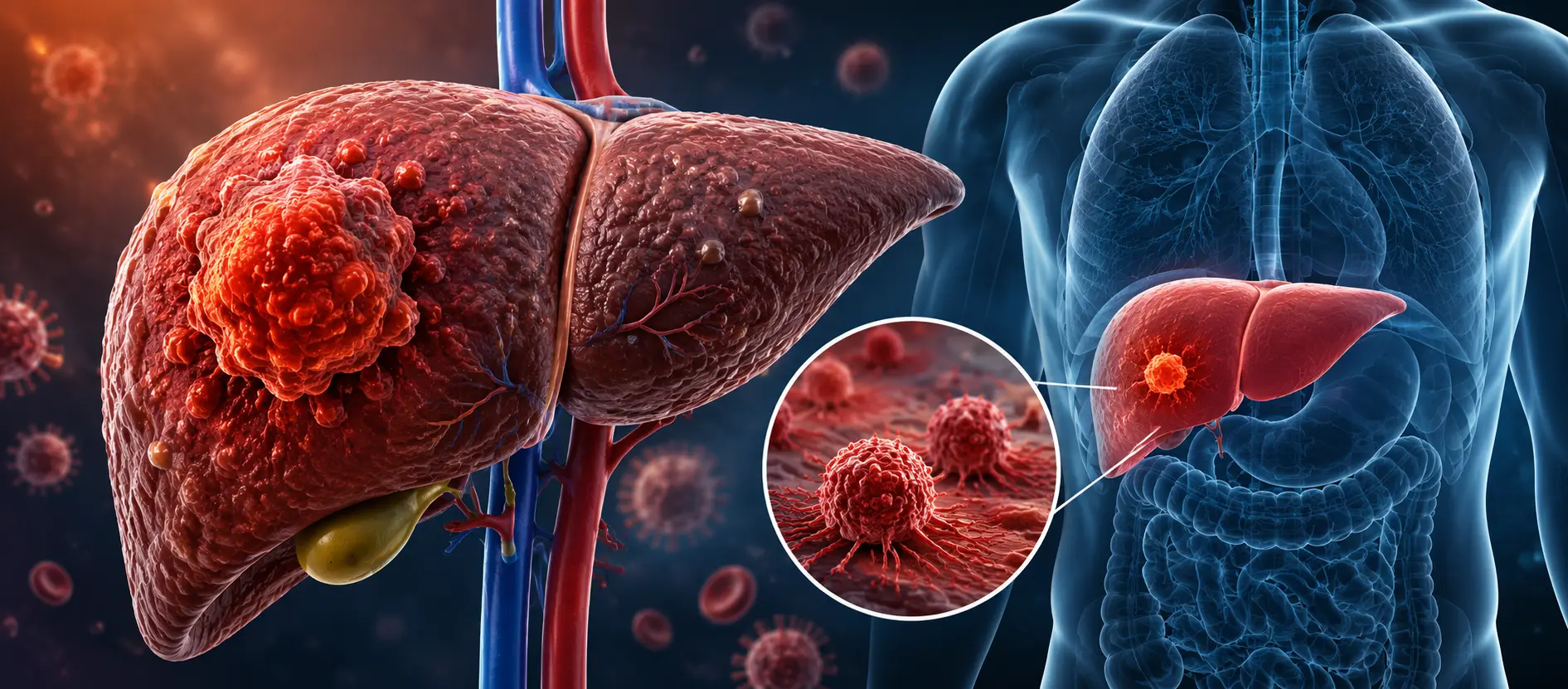
Liver cancer is one of those illnesses that quietly develops in the background, often showing no obvious signs until it reaches an advanced stage. That's what makes it so dangerous. And that's exactly why understanding it early can save lives.
Whether you're someone managing hepatitis, cirrhosis, or simply want to know more, getting the right information about Liver Cancer Treatment options and early warning signs could be the most important thing you read today.
Let's break it all down — clearly, honestly, and without the medical jargon overload.
What Is Liver Cancer?
The liver is your body's largest internal organ. It filters toxins, produces proteins, aids digestion, and stores energy. When cells in the liver begin to grow abnormally and out of control, that's liver cancer.
There are two main types:
-
Primary liver cancer – Cancer that starts directly in the liver. The most common form is called Hepatocellular Carcinoma (HCC).
-
Secondary (metastatic) liver cancer – Cancer that starts elsewhere in the body (like the colon or breast) and spreads to the liver.
-
Hepatocellular Carcinoma (HCC) – HCC accounts for the majority of primary liver cancer cases globally and is the focus of most treatment advances today.
Understanding the type of liver cancer is important because treatment options, disease progression, and long-term outcomes can vary significantly from one patient to another.
Early Warning Signs: What Your Body Might Be Telling You
One of the most challenging aspects of liver cancer is that it often doesn't show symptoms early on. When symptoms do appear, they can be vague and easy to dismiss.
Here are the early warning signs to watch for:
-
Unexplained fatigue or persistent weakness – Feeling unusually tired or lacking energy without a clear reason.
-
Mild loss of appetite – Reduced interest in eating or difficulty finishing regular meals.
-
A sense of fullness even after a small meal – Feeling full quickly despite eating very little.
-
Nausea without an obvious cause – Ongoing nausea that cannot be linked to infection or dietary changes.
-
Slight discomfort or pressure in the upper right abdomen – Mild pain, heaviness, or pressure near the liver area.
These signs can seem like ordinary digestive issues. But if they persist for more than a few weeks, don't brush them off.
Common Symptoms of Liver Cancer
As the tumor grows, symptoms become more noticeable and harder to ignore:
Physical symptoms:
-
Pain or tenderness in the upper right abdomen or near the right shoulder blade – Discomfort may increase as the tumor grows or presses against nearby structures.
-
Abdominal swelling or bloating (ascites) – Fluid buildup inside the abdomen can cause visible swelling and heaviness.
-
Unexplained and significant weight loss – Losing weight without changes in diet or physical activity.
-
A hard lump or mass below the rib cage on the right side – A noticeable swelling or firmness in the liver area.
Systemic symptoms:
-
Jaundice – Yellowing of the skin and the whites of the eyes caused by bilirubin buildup.
-
Dark-colored urine – Urine may appear brown or tea-colored.
-
Pale or chalky stools – Changes in stool color due to reduced bile flow.
-
Fever that doesn't go away – Persistent fever without an obvious infection.
-
Easy bruising or unusual bleeding – Liver dysfunction may affect blood clotting.
Hormone-related symptoms (less common but important):
-
High blood calcium levels – May cause nausea, confusion, constipation, or muscle problems.
-
Low blood sugar – Can lead to dizziness, weakness, sweating, or fainting episodes.
-
Breast tissue enlargement or testicular shrinkage in men – Hormonal changes caused by certain liver tumors.
These hormone-related symptoms occur because some liver tumors produce hormones that affect other parts of the body.
What Causes Liver Cancer?
Liver cancer doesn't usually have a single cause. It typically develops over years as a result of ongoing liver damage and inflammation. Here are the most well-established risk factors and causes:
1. Chronic Hepatitis B or C Infection
Hepatitis B and C viruses directly damage liver cells over time. Long-term infection leads to cirrhosis — scarring of the liver — which dramatically raises cancer risk.
- Chronic viral infection can silently damage the liver for many years
- Cirrhosis caused by hepatitis significantly increases liver cancer risk
2. Cirrhosis
Cirrhosis is perhaps the single biggest risk factor. It can result from chronic hepatitis, heavy alcohol use, or metabolic disease.
- Repeated liver cell injury and regeneration increase the risk of cancerous mutations
- Advanced scarring reduces the liver’s ability to function normally
3. Heavy Alcohol Use
Excessive, long-term alcohol consumption damages liver tissue, leads to cirrhosis, and significantly raises liver cancer risk.
- Alcohol-related liver disease is a major contributor to chronic liver damage
- Long-term alcohol abuse can accelerate progression toward cirrhosis
4. Non-Alcoholic Fatty Liver Disease (NAFLD) and NASH
Obesity and type 2 diabetes can lead to fat accumulation in the liver (NAFLD). When this progresses to NASH (Non-Alcoholic Steatohepatitis), it can cause serious liver damage and increase cancer risk over time.
- NAFLD is becoming one of the fastest-growing causes of liver disease worldwide
- NASH can trigger inflammation, fibrosis, and long-term liver injury
5. Aflatoxin Exposure
Aflatoxins are toxic substances produced by fungi that grow on improperly stored grains, peanuts, and corn.
- Long-term exposure is linked to a higher risk of liver cancer
- This risk is especially recognized in some parts of Asia and Africa
6. Genetic and Hereditary Conditions
Certain inherited conditions like hemochromatosis, Wilson's disease, and alpha-1 antitrypsin deficiency can increase susceptibility to liver cancer.
- These conditions may lead to abnormal buildup of substances that damage liver tissue
- Early diagnosis and monitoring can help reduce long-term complications
7. Smoking and Chemical Exposure
Cigarette smoking and exposure to chemicals such as arsenic are also identified risk factors.
- Tobacco toxins can contribute to DNA damage in liver cells
- Certain industrial and environmental chemicals may increase cancer risk over time
How Is Liver Cancer Diagnosed?
Diagnosis typically involves a combination of the following:
-
Blood tests – Including the Alpha-Fetoprotein (AFP) test, which measures a protein often elevated in liver cancer.
-
Imaging scans – Ultrasound, CT scan, or MRI to detect tumors and assess their size and location.
-
Biopsy – A small tissue sample is removed from the liver and examined under a microscope to confirm cancer cells.
-
Liver function tests – To understand how well the liver is working overall.
Early-stage detection through routine screening is possible for high-risk individuals (those with cirrhosis or chronic hepatitis).
Regular ultrasounds and AFP blood tests every six months are commonly recommended for these groups.
Liver Cancer Treatment Options
Treatment depends on the stage of cancer, the size and number of tumors, the health of the remaining liver tissue, and the patient's overall health.
Here's a clear overview of the main options:
Surgery
-
Partial Hepatectomy – Surgical removal of the tumor along with a margin of healthy tissue. Best suited for early-stage cancer with strong liver function.
-
Liver Transplant – Replaces the diseased liver with a healthy donor liver. Highly effective for eligible patients with small tumors. Addresses both the cancer and the underlying liver disease simultaneously.
Tumor Ablation
Minimally invasive procedures that destroy tumors without removing them:
-
Radiofrequency Ablation (RFA) – Uses heat generated by radio waves to kill cancer cells.
-
Microwave Ablation (MWA) – Similar to RFA but uses microwave energy; effective for slightly larger tumors.
-
Cryoablation – Uses extreme cold to freeze and destroy tumor cells.
Embolization Therapy
-
Transarterial Chemoembolization (TACE) – Delivers chemotherapy directly to the tumor through its blood supply while cutting off the blood flow that feeds it. Used for intermediate-stage cancer.
-
Radioembolization (Y-90) – Uses tiny radioactive beads to target and destroy tumors from within.
Radiation Therapy
-
Stereotactic Body Radiation Therapy (SBRT) – Delivers high-dose, precisely targeted radiation beams from multiple angles. Useful when surgery is not an option.
Targeted Therapy
Drugs like sorafenib (Nexavar) and lenvatinib (Lenvima) target specific molecular pathways that help cancer cells grow and spread.
Immunotherapy
Newer immunotherapy combinations — such as atezolizumab + bevacizumab — have shown significant results for advanced liver cancer. These drugs help the immune system recognize and attack cancer cells more effectively.
Chemotherapy
Systemic chemotherapy is less effective for liver cancer than for other cancers. It is generally used when other options are not suitable.
The best outcomes come from multidisciplinary care. Consulting a specialist early — like Dr. Harshit Srivastava, who specializes in liver and gastrointestinal cancers — can help patients understand which combination of treatments best fits their specific case.
Can Liver Cancer Be Prevented?
Not always, but your risk can be significantly reduced:
-
Get vaccinated for Hepatitis B – It's one of the most effective cancer-prevention vaccines available.
-
Get tested and treated for Hepatitis C – Highly effective antiviral medications can now cure Hepatitis C.
-
Limit alcohol consumption – Reduce or eliminate heavy drinking to protect liver health.
-
Maintain a healthy weight – Managing obesity lowers the risk of NAFLD and NASH.
-
Avoid exposure to aflatoxins – Store food properly and avoid consuming visibly moldy foods.
-
Manage diabetes – Keeping blood sugar under control helps protect liver function.
-
Regular screening for high-risk individuals – If you have cirrhosis, chronic hepatitis, or a family history of liver cancer, talk to your doctor about routine monitoring.
Living With Liver Cancer: What to Expect
A liver cancer diagnosis is life-changing. But it doesn't always mean the same thing for every person.
Early-stage liver cancer caught through screening can often be treated with curative intent.
Advanced-stage cancer, while harder to treat, now has more systemic therapy options than ever before — thanks to rapid advances in immunotherapy and targeted drugs.
Palliative care also plays a vital role — helping manage pain, fatigue, and emotional well-being alongside active treatment.
Support from family, a strong medical team, and staying informed all make a meaningful difference.
FAQs
Hepatocellular Carcinoma (HCC) is the most common type of primary liver cancer. It originates in the main liver cells (hepatocytes) and accounts for roughly 75–85% of all primary liver cancer cases globally.
Yes. When detected at an early stage, liver cancer can often be treated with curative intent through surgery (partial hepatectomy), liver transplantation, or tumor ablation. Early detection through regular screening for high-risk individuals is crucial.
Primary liver cancer originates in the liver itself. Secondary (metastatic) liver cancer starts somewhere else in the body — such as the colon, breast, or lungs — and then spreads to the liver. They are treated differently.
Not necessarily. Jaundice (yellowing of the skin and eyes) can be caused by many liver or bile duct conditions, including hepatitis, gallstones, or liver disease. However, persistent jaundice should always be evaluated by a doctor, as it can sometimes indicate liver cancer, especially in people with known risk factors.
Liver cancer progression varies depending on the type, stage, and individual health factors. HCC in a cirrhotic liver can progress from early to advanced stage within months if left untreated. This is why regular screening for high-risk individuals every 6 months is strongly recommended.


 dr.harshit.02@gmail.com


 +91-8104598623


