Imagine trying to catch your breath after climbing just one flight of stairs — and not being able to. For millions of people living with lung cancer, this isn't a hypothetical.
Shortness of breath, medically called dyspnea, is one of the most distressing and frequently under-reported symptoms of lung cancer. It can appear suddenly, worsen gradually, or arrive without warning. And yet, despite how common it is, many patients silently suffer — unaware that there are real, effective ways to manage it.
This guide is for you. Whether you've just been diagnosed or are supporting a loved one through treatment, you'll find medically backed strategies, practical daily tips, and emotional guidance to help you breathe — and live — better.
What Actually Causes Shortness of Breath in Lung Cancer?
Before you can manage something, you need to understand what's causing it. Breathlessness in lung cancer isn't just one problem — it has multiple potential origins, often happening at the same time.
Common Causes of Breathlessness in Lung Cancer
Shortness of breath can develop for several different reasons during lung cancer. Identifying the exact cause is important because the right treatment depends on understanding what is affecting the lungs and breathing process.
Common Causes Include:
-
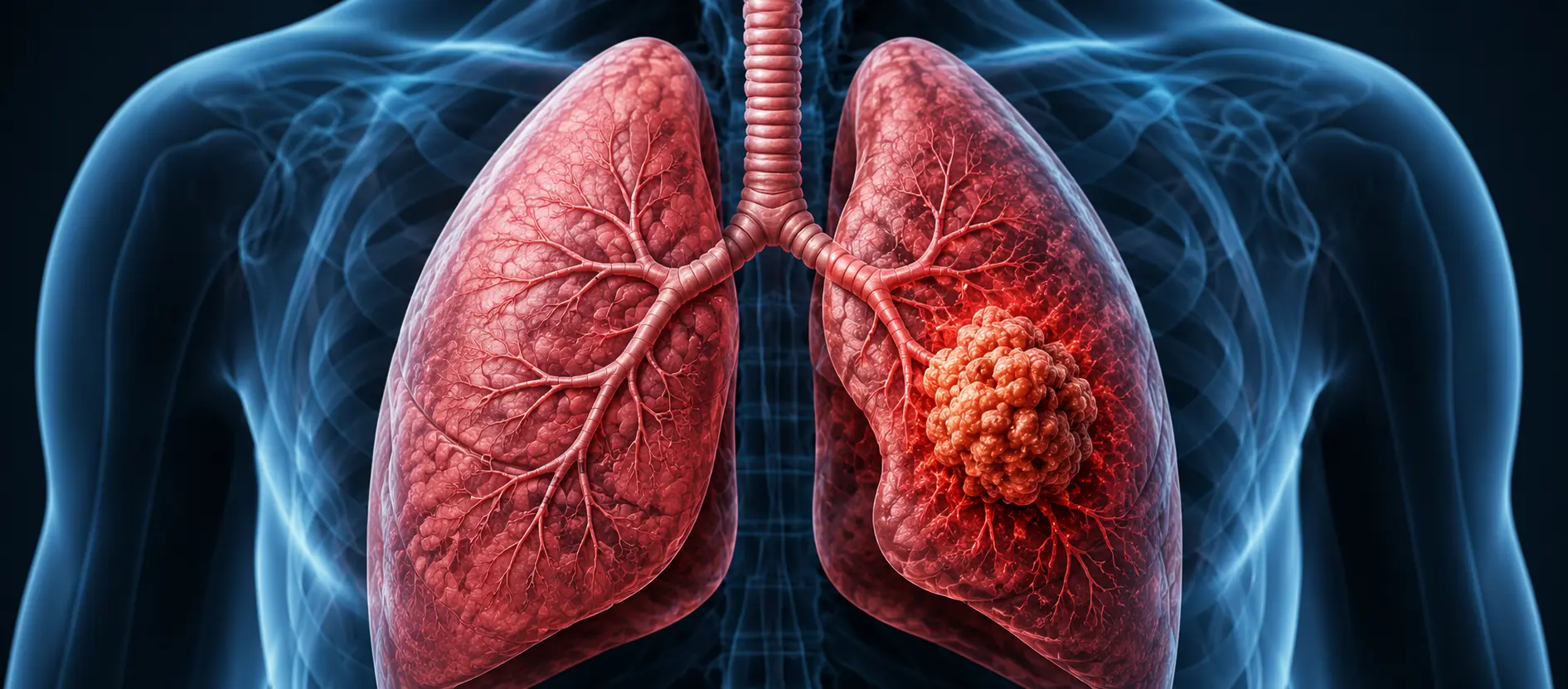
Tumor blocking the airway – A growing tumor can partially or fully block a bronchial tube, reducing airflow into the lungs.
-
Pleural effusion – Cancer cells may cause fluid to build up between the lungs and chest wall, compressing the lungs and limiting expansion.
-
Anemia – Lung cancer and cancer treatments can reduce red blood cell levels, limiting oxygen delivery throughout the body and causing fatigue and breathlessness.
-
Treatment side effects – Chemotherapy, radiation therapy, and targeted therapies may lead to lung inflammation (pneumonitis) or scarring (pulmonary fibrosis).
-
Anxiety and panic – Breathlessness can trigger anxiety, while anxiety itself can worsen breathing difficulty, creating a distressing cycle.
-
Muscle weakness – Cancer-related fatigue and muscle loss can weaken important breathing muscles, including the diaphragm.
Understanding your personal cause — or combination of causes — is the first step toward effective management. Your doctor should know exactly how breathlessness is affecting your daily routine, physical activity, and overall quality of life.
Medical Treatments That Help You Breathe Easier
Shortness of breath in lung cancer should not be managed alone or ignored. Along with lifestyle changes and breathing techniques, several medical treatments can provide significant relief and improve daily comfort and quality of life.
1. Draining Fluid (Thoracentesis / Pleural Tap)
If pleural effusion is causing breathlessness, doctors may perform a pleural tap, also known as thoracentesis. In this procedure, a needle is inserted between the ribs to drain excess fluid from around the lungs.
- Relief from breathlessness can often be immediate after fluid removal
- Some patients may require a long-term drainage catheter placed under the skin for recurring fluid buildup
2. Opening Blocked Airways (Bronchoscopy & Stenting)
When a tumor blocks a major airway, minimally invasive procedures may help restore airflow and improve breathing.
- Bronchoscopy can be used to examine and treat blocked airways
- A stent (small tube) may be inserted to keep the airway open
- Laser therapy through the bronchoscope may reduce tumor blockage inside the airway
3. Radiation Therapy for Airway Relief
Targeted radiation therapy can help shrink tumors pressing on the lungs or airways, often improving breathing symptoms within a few weeks.
- Helps reduce tumor size affecting airflow
- May provide meaningful symptom relief and improve breathing comfort
4. Treating Anemia
Low red blood cell levels can worsen breathlessness by reducing oxygen delivery throughout the body. Treating anemia may improve energy levels and breathing capacity.
- Blood transfusions may be recommended in severe cases
- Iron supplements can help improve red blood cell production
- Erythropoiesis-stimulating agents may increase oxygen-carrying capacity
5. Medications
Several medications can help reduce the sensation of breathlessness and make breathing more manageable.
- Low-dose opioids (morphine) – Small doses may reduce the distressing feeling of breathlessness without significantly slowing breathing
- Corticosteroids – Help decrease lung inflammation caused by radiation pneumonitis or tumor-related swelling
- Anxiolytics – Anti-anxiety medications may help break the breathlessness and panic cycle
- Bronchodilators – Inhalers that help open narrowed airways, similar to asthma treatment
6. Supplemental Oxygen
For patients with low blood oxygen levels, oxygen therapy at home can greatly improve comfort, physical activity, and overall quality of life.
- Supplemental oxygen helps improve oxygen levels in the blood
- Portable oxygen concentrators allow greater mobility and independence during daily activities
Breathing Techniques That Actually Work
Many breathing exercises can help reduce the sensation of breathlessness and improve comfort during daily activities. These techniques are commonly used in pulmonary rehabilitation programs and can be practiced safely at home without special equipment.
1. Pursed-Lip Breathing
Pursed-lip breathing helps slow breathing, keeps the airways open for longer, and reduces the effort needed to breathe.
- Inhale slowly through your nose for 2 counts
- Pucker your lips as if you are about to whistle or blow out a candle
- Exhale slowly through pursed lips for 4 counts
- This method helps reduce shortness of breath and improves airflow efficiency
2. Diaphragmatic (Belly) Breathing
Diaphragmatic breathing focuses on using the diaphragm instead of shallow chest breathing, making breathing more efficient and less tiring.
- Place one hand on your chest and the other on your belly
- Inhale slowly through your nose so your belly rises more than your chest
- Exhale gently through your mouth
- Regular practice can improve breathing control and reduce fatigue
3. The Recovery Position
Body positioning can make a major difference during episodes of severe breathlessness by helping the chest expand more effectively.
- Sit upright in a chair and lean slightly forward
- Rest your forearms on your knees or on the arms of the chair
- This position helps the diaphragm work more efficiently and makes breathing easier
- Sleeping with your head elevated using extra pillows or a wedge pillow may help prevent nighttime breathlessness
- A handheld fan directed toward the face and mouth may reduce the sensation of breathlessness by stimulating facial nerve receptors
Energy Conservation: The Art of Breathing Less
One of the most effective ways to manage breathlessness is learning how to conserve energy during everyday activities. Energy conservation does not mean giving up independence — it means using smarter, less exhausting ways to complete daily tasks while reducing oxygen demand on the body.
Practical Energy-Saving Tips
Small adjustments in daily routines can help reduce fatigue, lower breathlessness, and preserve energy for activities that matter most.
- Break larger tasks into smaller steps with short rest periods in between
- Sit instead of standing whenever possible, such as while cooking, brushing teeth, or getting dressed
- Keep frequently used items within easy reach to avoid excessive bending or reaching overhead
- Use a shower chair to reduce energy use during bathing
- Plan important activities during the time of day when your energy levels are highest
- Prioritize essential tasks and avoid overexerting yourself with unnecessary activities
These simple strategies can help reduce strain on the lungs and improve overall comfort throughout the day.
The Role of Pulmonary Rehabilitation
Pulmonary rehabilitation is a medically supervised program designed to help people with breathing difficulties improve lung function, physical strength, and quality of life. Many patients with lung cancer are surprised to learn that gentle, guided physical activity can actually reduce breathlessness over time rather than worsen it.
A Structured Pulmonary Rehabilitation Program May Include:
- Supervised walking or stationary cycling exercises
- Upper and lower body strengthening exercises to improve endurance
- Breathing retraining techniques to improve breathing efficiency
- Stress management and relaxation exercises
- Nutritional guidance to support overall health and energy levels
Even patients with significant breathing limitations may benefit from pulmonary rehabilitation. Speak with your oncologist or healthcare provider about whether a referral to a pulmonary rehabilitation program may be appropriate for you.
Nutrition and Breathlessness: The Hidden Connection
Eating can become difficult for people experiencing shortness of breath. The effort of chewing and swallowing, along with the pressure of a full stomach against the diaphragm, may worsen breathing discomfort and fatigue.
Helpful Dietary Strategies
Simple dietary adjustments can help reduce breathlessness during and after meals while supporting overall strength and recovery.
- Eat smaller, more frequent meals instead of three large meals each day
- Choose soft and easy-to-chew foods that require less effort while eating
- Avoid foods and drinks that cause bloating or gas, such as beans and carbonated beverages
- Stay well-hydrated because dehydration can thicken mucus and make breathing more difficult
- Rest for about 30 minutes after meals before performing physical activities
A clinical dietitian experienced in oncology care can help create a personalized nutrition plan, especially during chemotherapy or radiation therapy when appetite and eating habits often change.
Managing the Anxiety That Comes with Breathlessness
Breathlessness can be emotionally overwhelming. When the brain senses difficulty breathing, it activates the body's stress response, which may increase panic and make breathing even harder. Managing anxiety is therefore an important part of controlling breathlessness.
Strategies That May Help Reduce Anxiety
- Mindfulness and meditation – Guided breathing exercises and short meditation sessions may help lower anxiety and improve relaxation
- Cognitive Behavioral Therapy (CBT) – Therapy can help patients recognize and manage fear patterns associated with breathlessness
- Support groups – Talking with others facing similar challenges may reduce feelings of isolation and emotional stress
- Open communication – Inform your healthcare team about emotional distress and anxiety as well as physical symptoms
- Palliative care support – Palliative care specialists focus on symptom relief, emotional wellbeing, and improving overall quality of life
Managing both the physical and emotional aspects of breathlessness can significantly improve comfort, confidence, and day-to-day functioning during lung cancer treatment and recovery.
When to Seek Immediate Medical Help
Although many cases of breathlessness in lung cancer can be managed with medical treatment, breathing exercises, and lifestyle adjustments, some symptoms require urgent medical attention and should never be ignored.
Seek Emergency Medical Care Immediately If:
- Shortness of breath develops suddenly or becomes severely worse
- You experience chest pain along with breathlessness
- Your lips or fingernails appear bluish in color
- You are unable to speak in full sentences because of difficulty breathing
- Your prescribed oxygen therapy is no longer providing relief
- You feel faint, dizzy, or confused
These symptoms may indicate serious complications such as pulmonary embolism, severe pleural effusion, pneumonia, or heart-related problems that require immediate medical evaluation and treatment.
Working With Your Cancer Care Team
Managing breathlessness in lung cancer often requires support from a multidisciplinary healthcare team. Working closely with specialists can help improve symptom control, treatment outcomes, and overall quality of life.
Your Care Team May Include:
- A pulmonologist (lung specialist) for breathing-related complications
- A palliative care specialist for symptom management and supportive care
- A physiotherapist or pulmonary rehabilitation specialist for exercise and breathing training
- A clinical dietitian for nutritional guidance during cancer treatment
- A psycho-oncologist or counselor for emotional and psychological support
- A social worker for practical, financial, and family support services
If you are looking for comprehensive lung cancer care in North India, consulting an experienced Surgical Oncologist in Lucknow with expertise in thoracic cancers can help ensure coordinated and evidence-based treatment, including symptom management, surgical procedures, and supportive care services.
Complementary Approaches Worth Discussing With Your Doctor
Some patients with lung cancer may find additional relief from breathlessness through complementary therapies used alongside standard medical treatment. While these approaches should never replace prescribed cancer care, certain therapies may help improve comfort, relaxation, and overall wellbeing.
Complementary Therapies That May Help
- Acupuncture – Some clinical studies suggest acupuncture may help reduce the severity of breathlessness in certain patients
- Aromatherapy – Relaxing scents and calming environments may help ease anxiety associated with breathing difficulty
- Gentle yoga – Breath-focused yoga practices may improve breathing control, flexibility, and stress management
- Handheld fan therapy – Directing cool airflow toward the face may reduce the sensation of breathlessness and improve comfort
Always discuss any complementary therapy with your oncology team before starting treatment to ensure it is safe and does not interfere with medications, chemotherapy, radiation therapy, or other medical care.
A Note for Caregivers
Caregivers play an essential role in supporting patients experiencing breathlessness. Calm reassurance, practical help, and emotional support can make a significant difference during difficult moments.
Helpful Tips for Caregivers
- Remain calm during episodes of breathlessness, as anxiety can worsen breathing difficulty
- Help the patient sit upright and lean slightly forward to improve breathing comfort
- Keep a small handheld fan nearby for quick symptom relief
- Avoid asking too many questions while the person is struggling to breathe
- Help maintain a journal of breathing symptoms and triggers to discuss with the healthcare team
- Encourage adequate rest while also supporting safe and gentle activity when possible
- Remember to care for your own physical and emotional wellbeing to avoid caregiver burnout
Final Thought: You Are Not Just a Patient
Living with lung cancer and breathlessness can feel physically and emotionally exhausting. However, with proper medical care, breathing techniques, lifestyle adjustments, and emotional support, many patients can achieve meaningful improvement in comfort and quality of life.
Every conversation with your doctor about symptoms matters. Every small improvement in breathing is important. Support from your healthcare team, caregivers, rehabilitation specialists, and loved ones can help you manage breathlessness more effectively and continue participating in the moments that matter most.
If you are struggling with shortness of breath, speak openly with your cancer care team about available treatments, pulmonary rehabilitation programs, supportive care services, and coping strategies that may help improve your daily life.
FAQs
Not necessarily. Breathlessness in lung cancer can develop for many reasons, including treatable conditions such as anemia, fluid buildup around the lungs, anxiety, or airway blockage. Any new or worsening breathing difficulty should always be discussed with your oncology team, but it does not automatically mean the cancer is progressing. Many causes of breathlessness can be effectively treated and managed.
Yes. Breathing exercises such as diaphragmatic breathing, pursed-lip breathing, and inspiratory muscle training are supported by clinical evidence for reducing the sensation of breathlessness and improving daily functioning in lung cancer patients. Although these techniques do not cure the underlying condition, they can significantly improve breathing comfort and reduce anxiety related to shortness of breath.
Oxygen therapy is prescribed based on blood oxygen levels measured by your doctor and is not automatically required for every lung cancer patient. Supplemental oxygen is most beneficial for patients with low oxygen saturation levels, typically below 88–90%. Patients with normal oxygen levels may not experience additional benefit. Always follow your doctor’s recommendations regarding oxygen use and safety.
Palliative care is specialized medical care focused on improving quality of life by relieving symptoms, discomfort, stress, and emotional challenges related to serious illnesses such as lung cancer. It is different from hospice care and is not limited to end-of-life treatment. Research shows that early palliative care alongside standard cancer treatment may improve both quality of life and overall patient outcomes.
Keeping a breathlessness diary can help you communicate symptoms more clearly with your healthcare team. Record when breathlessness occurs, what triggers it, what improves or worsens it, and how it affects your daily activities. Using specific examples, such as difficulty walking short distances or performing routine tasks, can help doctors better understand the severity of your symptoms. You may also ask your care team to assess your breathing difficulty using standardized tools such as the Modified Borg Scale during appointments.


 dr.harshit.02@gmail.com


 +91-8104598623


