By Dr. Harshit Srivastava Cancer treatment has advanced significantly over the years, yet surgery in cancer treatment remains one of the most important and scientifically proven pillars of care. For many patients, surgery offers the best chance of cure, long-term control, or meaningful symptom relief.
This guide explains when cancer surgery is needed, how it works, and how it fits into modern multidisciplinary cancer care—using clear, medically accurate, and patient-friendly language.
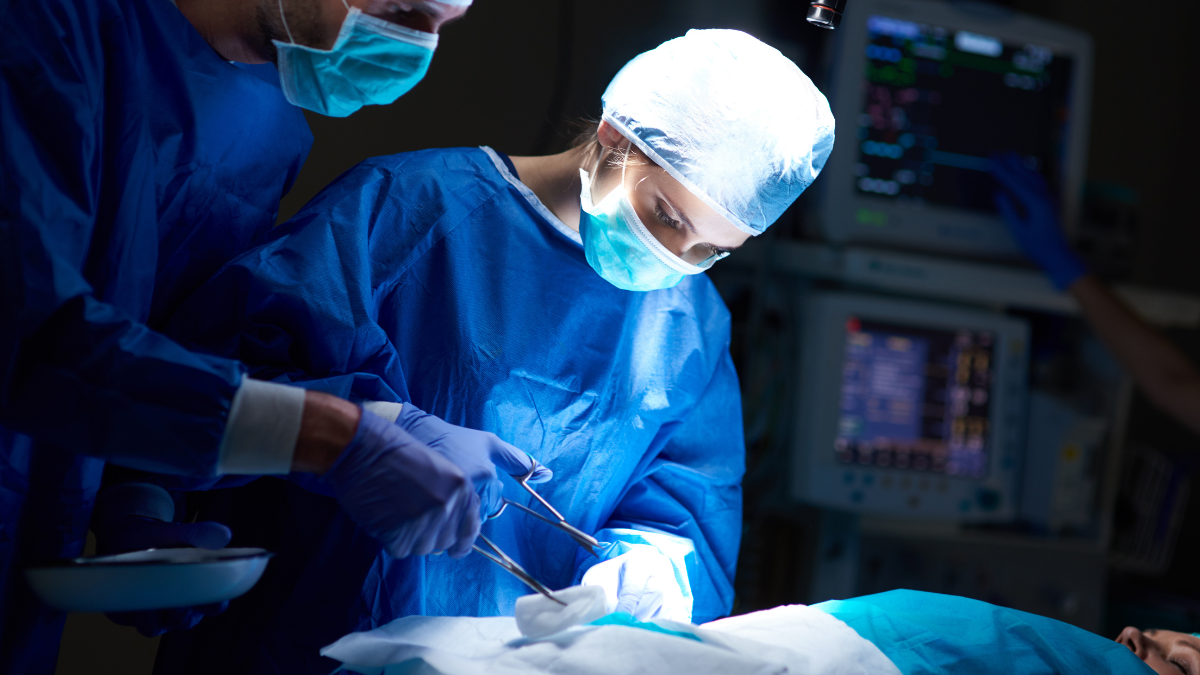
Surgery in cancer treatment involves the physical removal of cancerous tissue from the body. It is one of the oldest and most well-established cancer treatments, supported by decades of clinical research and evidence-based guidelines.
Cancer surgery may be used to:
Not every cancer requires surgery, but when used at the right time and in the right way, it can be life-saving.
Surgery is recommended based on tumor type, stage, location, and overall patient health. It is most effective when the cancer is localized and has not widely spread.
Surgery Is Commonly Needed When:
The decision is always made after careful evaluation by a cancer specialist.
Different surgical approaches are used depending on clinical goals. Each type is medically validated and widely practiced in oncology.
1. Curative Surgery
This aims to completely remove the cancer from the body.
2. Diagnostic Surgery
Sometimes surgery is needed to confirm the presence or type of cancer.
3. Staging Surgery
Used to determine how far cancer has spread.
4. Debulking Surgery
When complete removal is not possible, surgeons remove as much tumor as possible.
5. Palliative Surgery
This focuses on relieving symptoms, not cure.
Modern cancer care follows a multimodal approach. Surgery is often combined with other evidence-based therapies.
Surgery + Chemotherapy
Surgery + Radiation Therapy
Surgery + Targeted or Immunotherapy
Cancer surgery has evolved to become safer, more precise, and less invasive.
Minimally Invasive Surgery
Robotic Cancer Surgery
All techniques are chosen based on scientific evidence and patient safety.
No. Surgery is not needed in every cancer case.
Surgery may not be recommended when:
Every treatment decision is individualized and evidence-based.
Like all medical procedures, surgery carries risks. However, cancer surgery is performed following strict safety protocols.
Common Surgical Risks Include:
With experienced surgical care, these risks are well-managed and minimized.
Recovery depends on:
Typical Recovery Benefits:
Post-surgical follow-up is a medically essential part of cancer care.
Early-stage cancer detection dramatically improves surgical success.
Regular screenings and timely medical evaluation are scientifically proven to save lives.
Dr. Harshit Srivastava is a trained surgical oncologist with extensive experience in evidence-based cancer surgery.
His Approach to Surgery in Cancer Treatment Includes:
Areas of Expertise:
Every treatment plan is designed according to international oncology guidelines and individual patient needs.
You should seek expert evaluation if:
Early consultation ensures timely and accurate care.
Surgery in cancer treatment plays a critical role in curing, controlling, and managing cancer. When used appropriately, it offers strong clinical outcomes and improved quality of life.
The key lies in timing, expertise, and individualized care. Consulting an experienced surgical oncologist ensures that every decision is guided by science, safety, and compassion.

Master course in Laparoscopic Liver Resections, Institute of Medical and Minimal Access Surgery Training Mumbai


 dr.harshit.02@gmail.com


 +91-8104598623


