By Dr. Harshit Srivastava
Cancer is a word that instantly brings fear, confusion, and many unanswered questions. One of the first and most important terms patients and families hear after diagnosis is cancer stages.
“What stage is it?” often becomes the defining question.
Understanding cancer stages is not just medical knowledge. It helps you understand how advanced the disease is, what treatment options are available, and what to expect moving forward. This guide explains cancer staging clearly, medically accurately, and in a way that patients and caregivers can truly understand.
What Are Cancer Stages?
Cancer stages describe how much cancer is present in the body and how far it has spread from its original site. Doctors use staging to:
- Plan the most effective treatment
- Predict outcomes and prognosis
- Communicate clearly among medical teams
- Compare treatment results worldwide
Cancer staging follows globally accepted medical systems, most commonly the TNM staging system, which is evidence-based and scientifically validated.
The TNM Staging System Explained
Most solid cancers are staged using the TNM system, which evaluates three proven factors:
- T (Tumor) – Size and extent of the primary tumor
- N (Nodes) – Whether cancer has spread to nearby lymph nodes
- M (Metastasis) – Whether cancer has spread to distant organs
Each component is assessed through:
- Clinical examination
- Imaging (CT, MRI, PET scans)
- Biopsy and histopathology
- Surgical findings
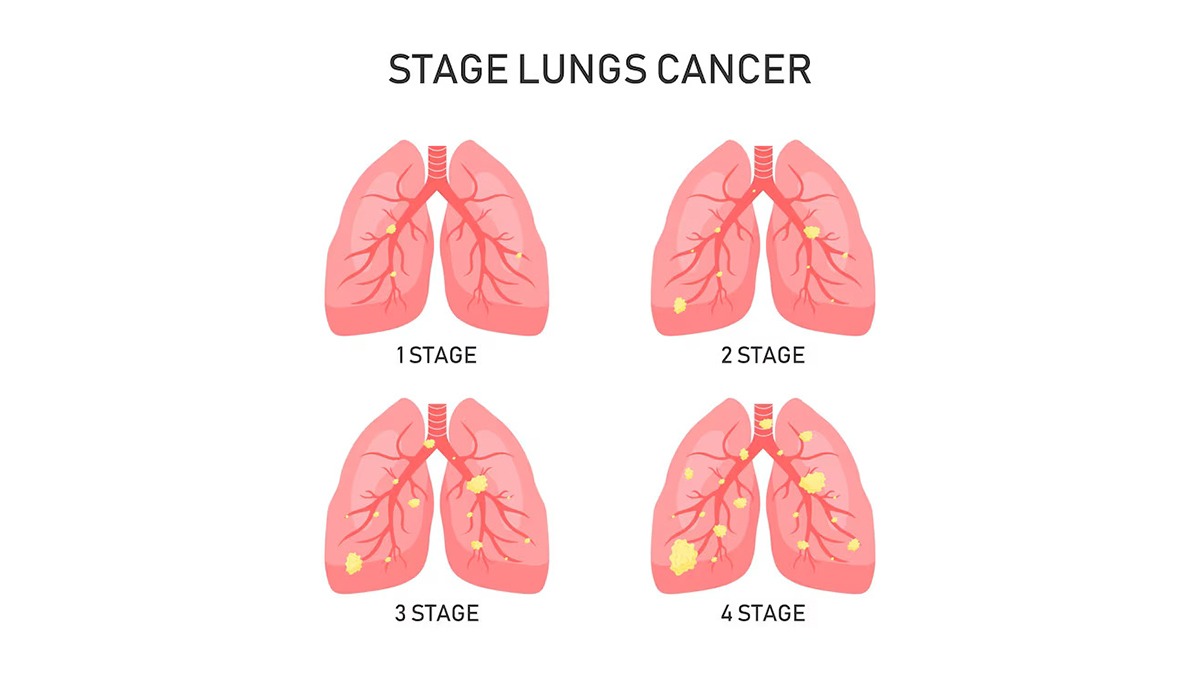
The TNM results are then grouped into Stage 1, 2, 3, or 4 cancer.
Why Cancer Staging Is So Important
Cancer staging is not just a label. It directly affects your care.
It helps doctors decide:
- Whether surgery is possible
- If chemotherapy or radiation is needed
- How aggressive treatment should be
- The sequence of treatments
It also helps patients:
- Understand their diagnosis better
- Make informed decisions
- Set realistic expectations
Stage 1 Cancer: Early and Localized
Stage 1 cancer is considered an early-stage cancer.
What Stage 1 Means Medically
- The tumor is small
- Cancer is confined to its organ of origin
- No lymph node involvement
- No distant spread
Common Features
- Often detected through screening or early symptoms
- High success rates with treatment
- Surgery is usually the main treatment
Examples
- Small breast tumor without lymph node spread
- Early oral cancer confined to the mucosa
- Localized colon cancer
Prognosis
- Excellent outcomes in most cases
- High cure rates when treated appropriately
- Early detection at this stage saves lives
Stage 2 Cancer: Larger but Still Limited
Stage 2 cancer indicates more growth, but disease is still regional.
What Stage 2 Means
- Tumor is larger than Stage 1
- May involve nearby tissues
- Limited or no lymph node involvement
- No distant metastasis
Treatment Approach
- Surgery remains central
- May require chemotherapy or radiation
- Multimodal treatment improves outcomes
Prognosis
- Still very treatable
- Outcomes depend on cancer type and biology
- Stage 2 cancers require timely and comprehensive care
Stage 3 Cancer: Locally Advanced Disease
Stage 3 cancer is called locally advanced cancer.
What Stage 3 Means
- Tumor has grown significantly
- Cancer has spread to nearby lymph nodes
- No distant organ spread
Key Characteristics
- More aggressive disease behavior
- Requires combination treatment
- Surgery alone is often not enough
Treatment Options
- Neoadjuvant chemotherapy or radiation
- Surgery after tumor shrinkage
- Post-operative therapy to reduce recurrence
Prognosis
- Variable but manageable
- Outcomes improve significantly with expert care
- Stage 3 cancer is serious, but it is still potentially curable in many cases
Stage 4 Cancer: Metastatic Cancer
Stage 4 cancer means cancer has spread to distant organs.
What Stage 4 Means Medically
- Cancer has metastasized beyond the original site
- Common organs involved include liver, lungs, bones, or brain
- Disease is systemic
Important Medical Facts
- Stage 4 does not mean treatment stops
- Treatment focuses on disease control
- Quality of life is a priority
Treatment Goals
- Prolong survival
- Control symptoms
- Improve quality of life
Modern Advances
- Targeted therapy
- Immunotherapy
- Advanced surgical and palliative options
Many patients with Stage 4 cancer live longer today due to evidence-based advances.
Cancer Stage vs Cancer Grade: Know the Difference
These two terms are often confused but are medically different.
Cancer Stage
- Tells how far cancer has spread
Cancer Grade
- Describes how aggressive cancer cells look under a microscope
Both stage and grade are essential for treatment planning.
How Cancer Staging Is Confirmed
Doctors confirm cancer stages using proven diagnostic methods:
- Imaging studies (CT, MRI, PET)
- Pathology reports
- Surgical findings
- Blood tests and tumor markers (when applicable)
Staging is always based on scientific evidence, not assumptions.
Can Cancer Stage Change?
Yes, but only in specific contexts:
- Clinical stage – Based on tests before treatment
- Pathological stage – Based on surgery and biopsy findings
Once final staging is established, it does not change, even if cancer recurs later.
Emotional Impact of Hearing a Cancer Stage
It is normal to feel:
- Fear
- Anxiety
- Shock
- Confusion
Understanding cancer stages empowers patients and reduces uncertainty. Knowledge is a proven psychological support tool during cancer treatment.
How Dr. Harshit Srivastava Can Help You
Understanding cancer stages requires not only knowledge but also experience.
Dr. Harshit Srivastava provides comprehensive, evidence-based cancer care with a strong focus on patient clarity and outcomes.
How He Supports Patients
- Accurate cancer staging using advanced diagnostics
- Personalized treatment planning
- Expertise in complex cancer surgeries
- Multidisciplinary coordination with oncology teams
- Clear explanation of stage, treatment, and prognosis
His Treatment Philosophy
- Patient-first decision making
- Minimally invasive and advanced surgical techniques
- Treatment aligned with global oncology guidelines
Proper staging and timely treatment can significantly improve outcomes.
Key Takeaways on Cancer Stages
- Cancer stages describe the extent of disease
- Stage 1 and 2 are early and often curable
- Stage 3 requires aggressive, combined treatment
- Stage 4 focuses on control and quality of life
- Accurate staging guides the entire treatment journey
If you or your loved one has been diagnosed with cancer, understanding the cancer stage is the first step toward effective treatment.
Consult an experienced surgical oncologist to receive accurate staging, clear guidance, and evidence-based care tailored to your condition.
FAQs
Yes. Many Stage 1 cancers have very high cure rates when treated appropriately.
No. Many Stage 3 cancers are curable with multimodal treatment.
No. Treatment continues with the goal of control, symptom relief, and prolonged survival.
Your cancer stage is determined by your oncology team based on diagnostic evidence.
Lifestyle changes support overall health but do not change the medical stage of cancer.


 dr.harshit.02@gmail.com


 +91-8104598623


